Women and Nature in Jacob’s Room
Alison Hennegan reflects on her lecture topic for the 2026 Virginia Woolf Summer Course. Alison will discuss Women and Nature in Jacob’s Room (1922).
Alison writes:
The relation between women and nature is an uneasy one in Jacob’s Room (1922).
Women abound in the novel – mothers, wives, daughters, mistresses, servants – and the presence of the natural world is everywhere present. But for Jacob and his male peers, in their predominantly sexually segregated worlds of school and university, real women are a perpetual riddle, part threat, part idealised fantasy.
Here they are seen as threat during a service in the College chapel: misplaced, and dehumanised in their comparison with dogs, the wrong sort of ‘natural’:
No one would think of bringing a dog into church. For though a dog is all very well on a gravel path, and shows no disrespect to the flowers, the way he wanders down an aisle, looking, lifting a paw, and approaching a pillar with a purpose that makes the blood run cold …
… a dog destroys the service completely. So do these women … Heaven knows why it is. For one thing thought Jacob, they’re as ugly as sin.
Jacob’s Room, pp. 39-40
And understanding these troublesome creatures is made harder by the version of women offered by the Greek and Roman classical literature in which the young men have been immersed since boyhood and in which Woman is aligned with the natural world in perplexing and unhelpful ways. Here is Jacob, struggling, and failing, to see Florinda clearly, hopelessly awry in his reading of her:
Jacob took her word for it that she was chaste…. Wild and frail and beautiful she looked, and thus the women of Greece were, Jacob thought; and this was life; and himself a man and Florinda chaste.
Jacob’s Room, p. 105
My lecture addresses the novel’s exploration of the many tensions between conflicting notions of Nature and Woman (very much with Capital initial letters!), and the struggles of actual men, especially young ones, to make sense of women and to reach some partial accommodation with them.
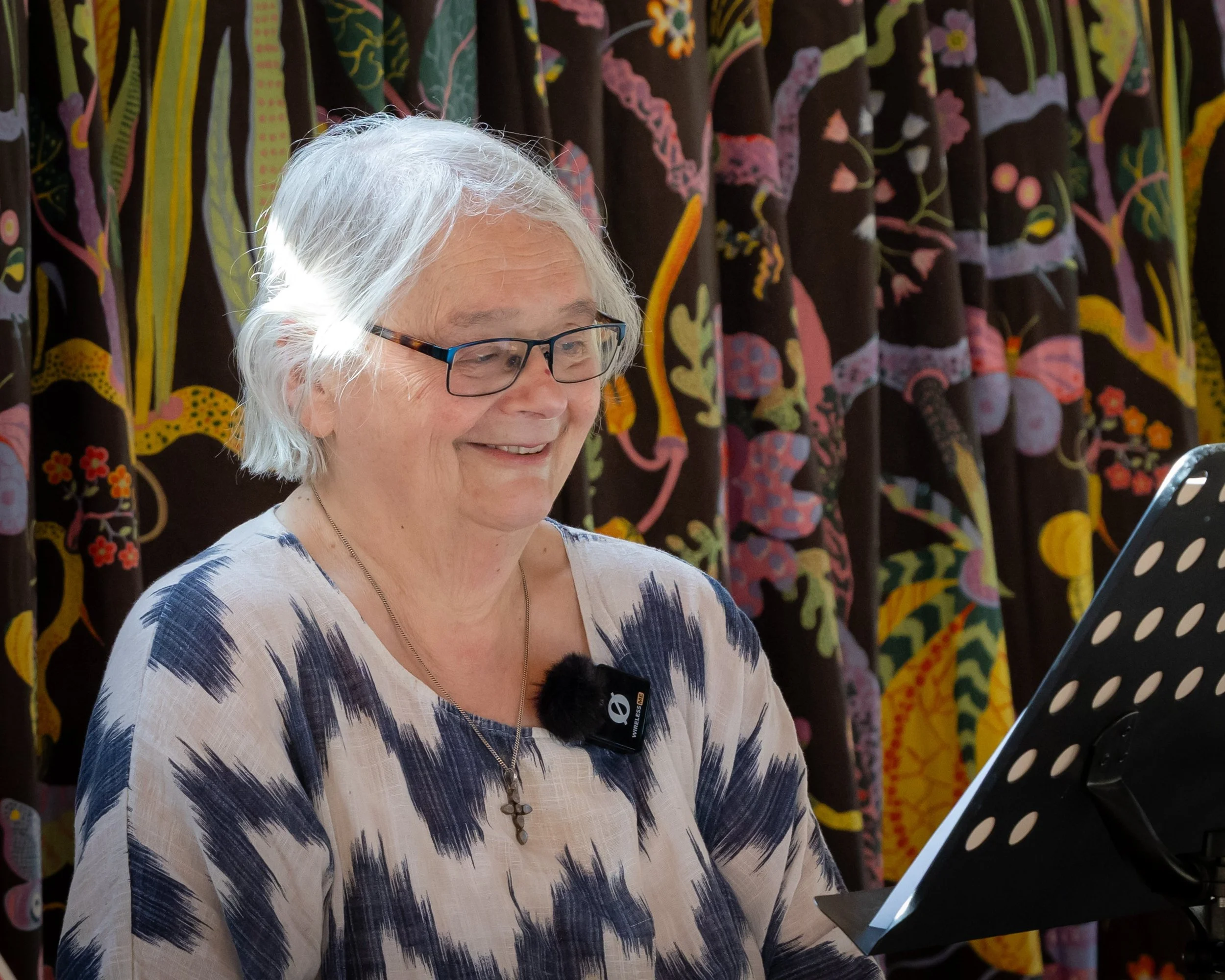
Alison Hennegan is a Retired Fellow of Trinity Hall, University of Cambridge, and a regular lecturer for Literature Cambridge. Photo of Alison is by Jeremy Peters, Cambridge 2025.
Join us for five days’ intensive study of Virginia Woolf and the Natural World in our 2026 Summer Course. The course will run twice: first, live online, 9-13 July 2026. Then in person in Cambridge, 2-7 August 2026. With lectures, supervisions (tutorials), talks, and much more.
Set Reading
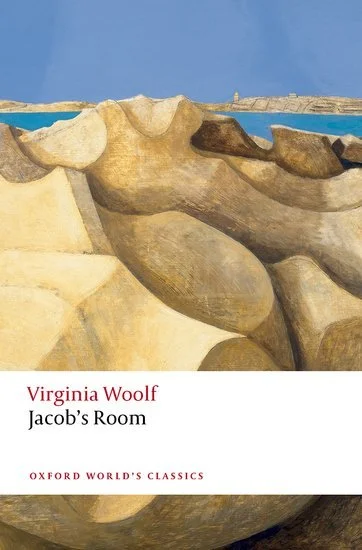
Woolf, Jacob’s Room (1922)
Woolf, To the Lighthouse (1927)
Woolf, The Waves (1931)
Woolf, The Years (1937)
Woolf, Between the Acts (1941)