
lectures for peace 2026
Image: Tina Berard, Unsplash
At Literature Cambridge we have a regular lecture to support refugee charities. Since 2024, we have also supported charities who are helping the people of Gaza, and who are working for peace.
We are offering some extra lectures live online. All proceeds to be shared between three charities:
• Oxfam Gaza and Lebanon Campaign (food and medical relief to Gaza and Lebanon)
• Standing Together (Palestinian and Jewish joint campaign for peace and equality); updates on their Instagram page
• Gatwick Detainees Welfare Group (helping refugees in the UK)
Since 2020 we have raised more than £5,300, shared between the charities. Very many thanks for your support.

Why pay the charities directly? Because, if you donate directly to the charities, they get the full sum. Whereas if you book via our website, 20% VAT (Value Added Tax) is deducted from the payment.
Please email us with a copy of the donation receipt and we will add you to the attendance list. If you have any problems doing this, please let us know and we will help to sort it out, if we can.
Thank you.
Timing: please note that bookings close at 5.30 pm on the day of the lecture. We can’t monitor the mailbox once we are in the zoom call, so please book before 5.30 pm to be sure that we see your email. Thank you!
Lectures for Peace 2026-27
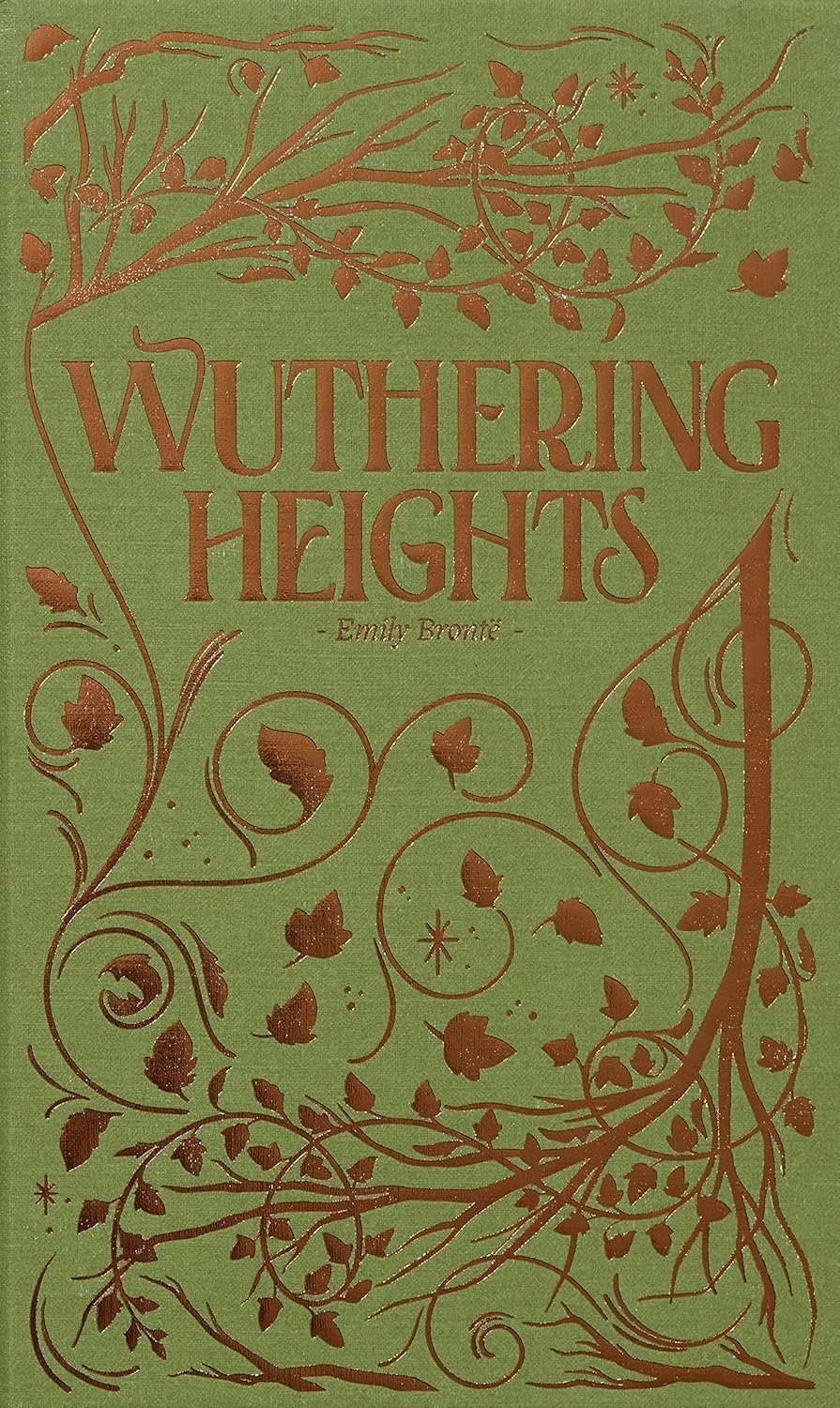
Power and injustice in Emily Brontë, Wuthering Heights
Who has power in Wuthering Heights; how is it exercised; how does it affect other people? Does power shift in the course of the novel?
Wuthering Heights is set in 1771, towards the end of Britain’s involvement in the slave trade, after many decades of struggle to abolish it. There is very little direct reference to slavery or the abolition debates, yet knowledge of this terrible trade, which was still active in America when Brontë was writing, infuses the book.
The novel is set in a tiny community: two houses on the Yorkshire moors, but it is thinking about the wider world and the large moral questions of the time. At the same time, Wuthering Heights explores intimate relationships of love and hatred, power and revenge among the individual characters. How do these things connect, and how might they help us to understand the novel’s thinking about power and injustice?
With Trudi Tate, Emeritus Fellow of Clare Hall, University of Cambridge and Director of Literature Cambridge.
Sunday 27 December 2026, 6.00-8.00 pm British Time (GMT).
Set Reading
Emily Brontë, Wuthering Heights. We recommend the Oxford World’s Classics edition of the novel, but any good edition will be fine.
Optional Further Reading
Heather Glen, ed., The Cambridge Companion to the Brontës (CUP, 2002).
Claire O’Callaghan, Emily Brontë Reappraised (Saraband, 2018, 2026).
Juliet Barker, The Brontës (1994; rev. edn Abacus, 2010).
Link
Brontë Parsonage Museum on the Brontes and Black History.
This lecture was first given in our Brontës Season in October 2026.
_______________________________________________________________
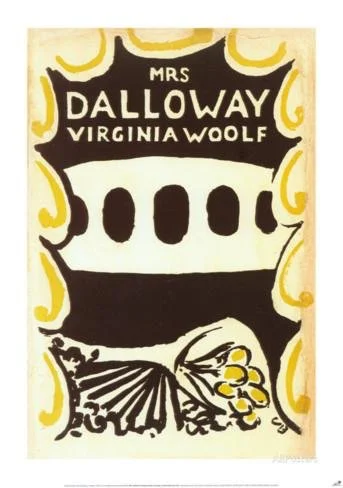
Mark Hussey, Politics in Mrs Dalloway (1925)
Sunday 11 April 2027, 6.00 to 8.00 pm British Summer Time, live online.
Woolf wrote in her diary in April 1923 that in the novel she was writing she wanted to ‘criticise the social system, & to show it at work, at its most intense’. This lecture will explore how Woolf set about realising this goal in Mrs Dalloway. What did ‘politics’ mean to her at the time? In what sense is Mrs Dalloway what we would now call a ‘political’ novel?
Leonard Woolf said that his wife was ‘the least political animal to have lived since Aristotle invented the definition’ (Downhill All the Way), but he knew that she was deeply engaged with and attentive to politics as he practiced it (as an advisor to the Labour Party, for example). Nevertheless, he would have been surprised to hear her fiction characterised as ‘political’. Peter Walsh’s observations about Richard Dalloway’s ‘public-spirited, British Empire, tariff-reform, governing-class spirit’ are the most overt approaches to what is traditionally understood as ‘politics’, and, indeed, the political situation in post-First World War Britain is an important element of Woolf’s novel. Beyond that understanding, though, this lecture will explore how Woolf demonstrates in Mrs Dalloway that politics is a system of power relations in which all of its characters are caught, from Clarissa to Septimus, Miss Kilman to Peter, Rezia to Elizabeth.
To book, please make a donation to one or more of the charities via the buttons below, to a total of:
£33.00 full price (£11.00 to each charity)
£30.00 students and unwaged (£10.00 to each charity)
£30.00 CAMcard holders (£10.00 to each charity)
We suggest that people support all 3 charities equally, but it is up to you to decide how to distribute your donation. Links to the charities’ websites for donations:
• Oxfam Gaza and Lebanon Campaign (food and medical relief to Gaza and Lebanon)
• Standing Together (Palestinian and Jewish joint campaign for equality and peace and against the Occupation); updates on their Instagram page.
• Gatwick Detainees Welfare Group (helping refugees in the UK)
Please email us with a copy of the donation receipt and we will add you to the attendance list. If you have any problems doing this, please let us know and we will help to sort it out.
Thank you so much for your support.
Thanks to Claire Davison, Alison Hennegan, Karina Jakubowicz, Trudi Tate, and Mariah Whelan for their Lectures for Peace in 2024–2026, and to Trudi Tate for her Lectures for Refugees, 2020-22.
Past Lectures in this Series
Lectures for Refugee Charities, 2020-22
December 2020. Trudi Tate on Contemporary Refugee Stories
December 2021. Trudi Tate on Refugee Tales IV and Le Thi Diem Thuy, The Gangster We Are All Looking For (2003 novel by a Vietnamese refugee writer)
December 2022. Trudi Tate on Christy Lefteri, The Beekeeper of Aleppo (2019)
These raised more than £1,100, shared between refugee charities including Gatwick Detainees Welfare Group and Freedom from Torture.
Lectures for Peace, 2024-26
June 2024. Trudi Tate, Women in To the Lighthouse (1927)
July 2024. Karina Jakubowicz, Forster, A Passage to India (1924)
December 2024. Trudi Tate on A Room of One’s Own (1929): After the First World War
March 2025. Karina Jakubowicz, Planting Wonderland in Carroll’s Alice books
September 2025. Claire Davison, Thoughts on Peace in Between the Acts (1941)
December 2025. Jan Parker, Theatre as Protest: Euripides’ Trojan Women
March 2026. Alison Hennegan, Siegfried Sassoon: The Making of a War Poet?
October 2026. Mariah Whelan, Poetry and the Irish Peace Process
As at October 2026, these Lectures for Peace have raised more than £4,200, shared between the three charities below.