
 Image 1 of 1
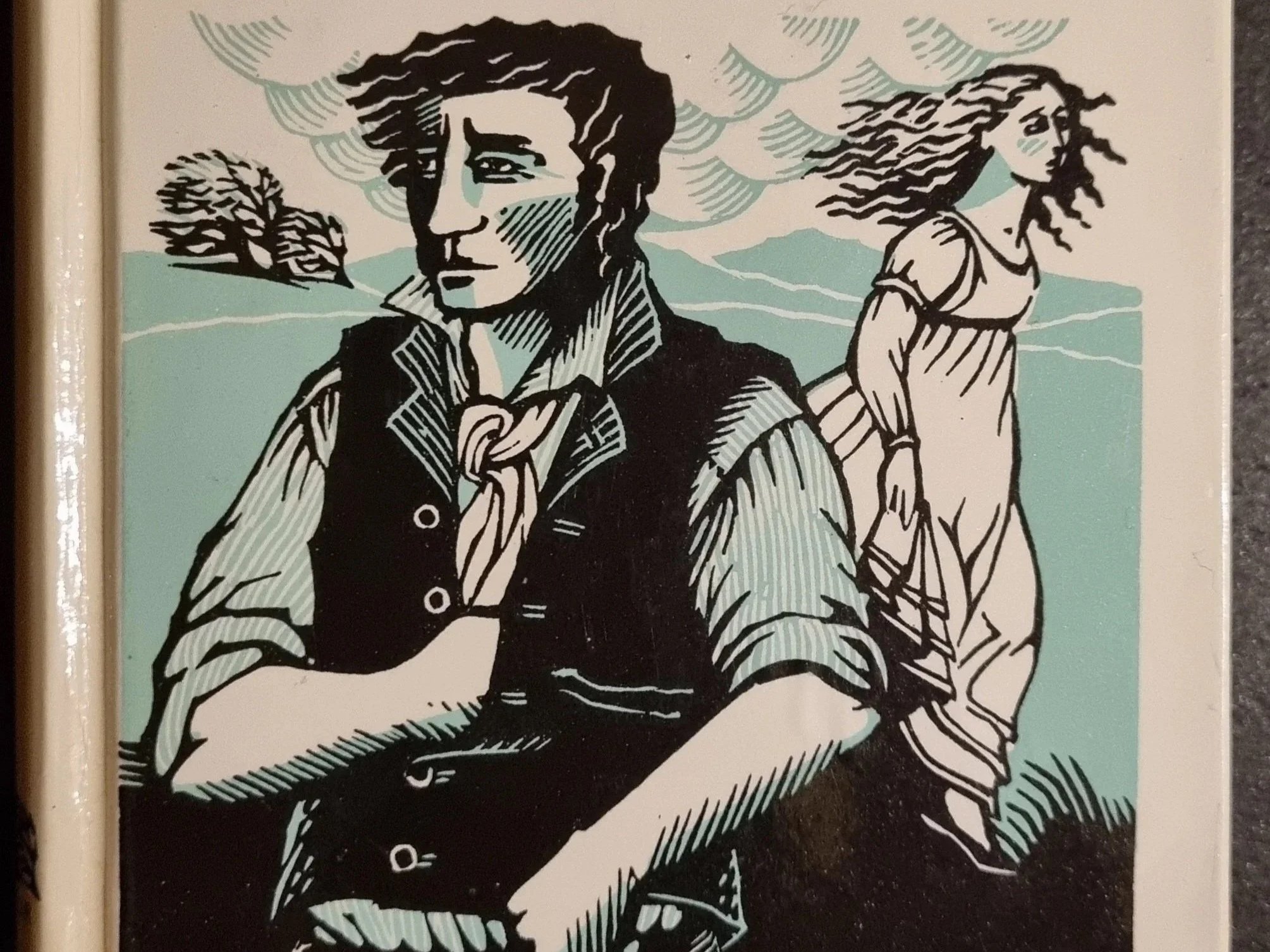
Power and injustice in Emily Brontë, Wuthering Heights
Who has power in Wuthering Heights; how is it exercised; how does it affect other people? Does power shift in the course of the novel?
Wuthering Heights is set in 1771, towards the end of Britain’s involvement in the slave trade, after many decades of struggle to abolish it. There is very little direct reference to slavery or the abolition debates, yet knowledge of this terrible trade, which was still active in America when Brontë was writing, infuses the book.
The novel is set in a tiny community: two houses on the Yorkshire moors, but it is thinking about the wider world and the large moral questions of the time. At the same time, Wuthering Heights explores intimate relationships of love and hatred, power and revenge among the individual characters. How do these things connect, and how might they help us to understand the novel’s thinking about power and injustice?
With Trudi Tate, Emeritus Fellow of Clare Hall, University of Cambridge and Director of Literature Cambridge
Set Reading
Emily Brontë, Wuthering Heights. We recommend the Oxford World’s Classics edition of the novel, but any good edition will be fine.
Optional Further Reading
Heather Glen, ed., The Cambridge Companion to the Brontës (CUP, 2002).
Claire O’Callaghan, Emily Brontë Reappraised (Saraband, 2018, 2026)
Juliet Barker, The Brontës (1994; rev. edn Abacus, 2010)
Link
Brontë Parsonage Museum on the Brontes and Black History.
Saturday 3 October 2026
18.00-20.00 British Summer Time
19.00-21.00 Central European Summer Time
Morning or Lunchtime in the Americas
Lecture fee
£33.00 full price
£30.00 CAMcard holders
£30.00 students on a low income
Prices include VAT at 20%
Zoom link
We will send you a Zoom link by email approximately 24 hours before the course begins. If the link does not arrive, please let us know by email in good time, at least an hour before the session begins, so we can re-send.
Recordings
The lectures are recorded so that participants can listen again for 48 hours after the live event. The seminars are not recorded.
If you cannot attend a course you have booked
Please note that, because places are limited, we cannot usually give refunds if you cannot attend a lecture or course. But if you contact us in advance, we might be able to transfer your booking to a different course.
Power and injustice in Emily Brontë, Wuthering Heights
Who has power in Wuthering Heights; how is it exercised; how does it affect other people? Does power shift in the course of the novel?
Wuthering Heights is set in 1771, towards the end of Britain’s involvement in the slave trade, after many decades of struggle to abolish it. There is very little direct reference to slavery or the abolition debates, yet knowledge of this terrible trade, which was still active in America when Brontë was writing, infuses the book.
The novel is set in a tiny community: two houses on the Yorkshire moors, but it is thinking about the wider world and the large moral questions of the time. At the same time, Wuthering Heights explores intimate relationships of love and hatred, power and revenge among the individual characters. How do these things connect, and how might they help us to understand the novel’s thinking about power and injustice?
With Trudi Tate, Emeritus Fellow of Clare Hall, University of Cambridge and Director of Literature Cambridge
Set Reading
Emily Brontë, Wuthering Heights. We recommend the Oxford World’s Classics edition of the novel, but any good edition will be fine.
Optional Further Reading
Heather Glen, ed., The Cambridge Companion to the Brontës (CUP, 2002).
Claire O’Callaghan, Emily Brontë Reappraised (Saraband, 2018, 2026)
Juliet Barker, The Brontës (1994; rev. edn Abacus, 2010)
Link
Brontë Parsonage Museum on the Brontes and Black History.
Saturday 3 October 2026
18.00-20.00 British Summer Time
19.00-21.00 Central European Summer Time
Morning or Lunchtime in the Americas
Lecture fee
£33.00 full price
£30.00 CAMcard holders
£30.00 students on a low income
Prices include VAT at 20%
Zoom link
We will send you a Zoom link by email approximately 24 hours before the course begins. If the link does not arrive, please let us know by email in good time, at least an hour before the session begins, so we can re-send.
Recordings
The lectures are recorded so that participants can listen again for 48 hours after the live event. The seminars are not recorded.
If you cannot attend a course you have booked
Please note that, because places are limited, we cannot usually give refunds if you cannot attend a lecture or course. But if you contact us in advance, we might be able to transfer your booking to a different course.