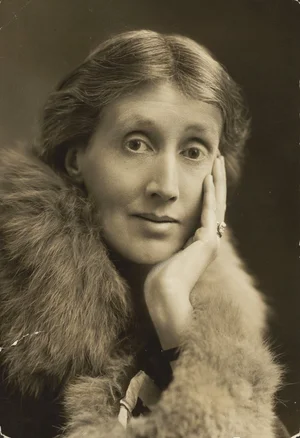
Virginia Woolf and the Natural World
Carlota Peón writes about the 2026 Summer Course in Cambridge, August 2026
Studying literature in Cambridge? It seemed like a dream come true. Exploring my favourite author at one of the most beautiful university cities in the world. What else could I ask for?
The adventure started two months before the course. I was diving into the five novels that we were going to study. From the very beginning I received the warmest welcome from Literature Cambridge Director Trudi Tate who guided me through the very simple process and gave the best recommendations, not only concerning the course itself, but on cultural activities in the Cambridge area.
I stayed at Selwyn College, one of the first men’s colleges to admit women. The beautiful setting of the college, in a quiet neighborhood, was the perfect place to study. The rooms were cozy and starting the day with breakfast in the beautiful wood panelled old dining hall was a privilege.
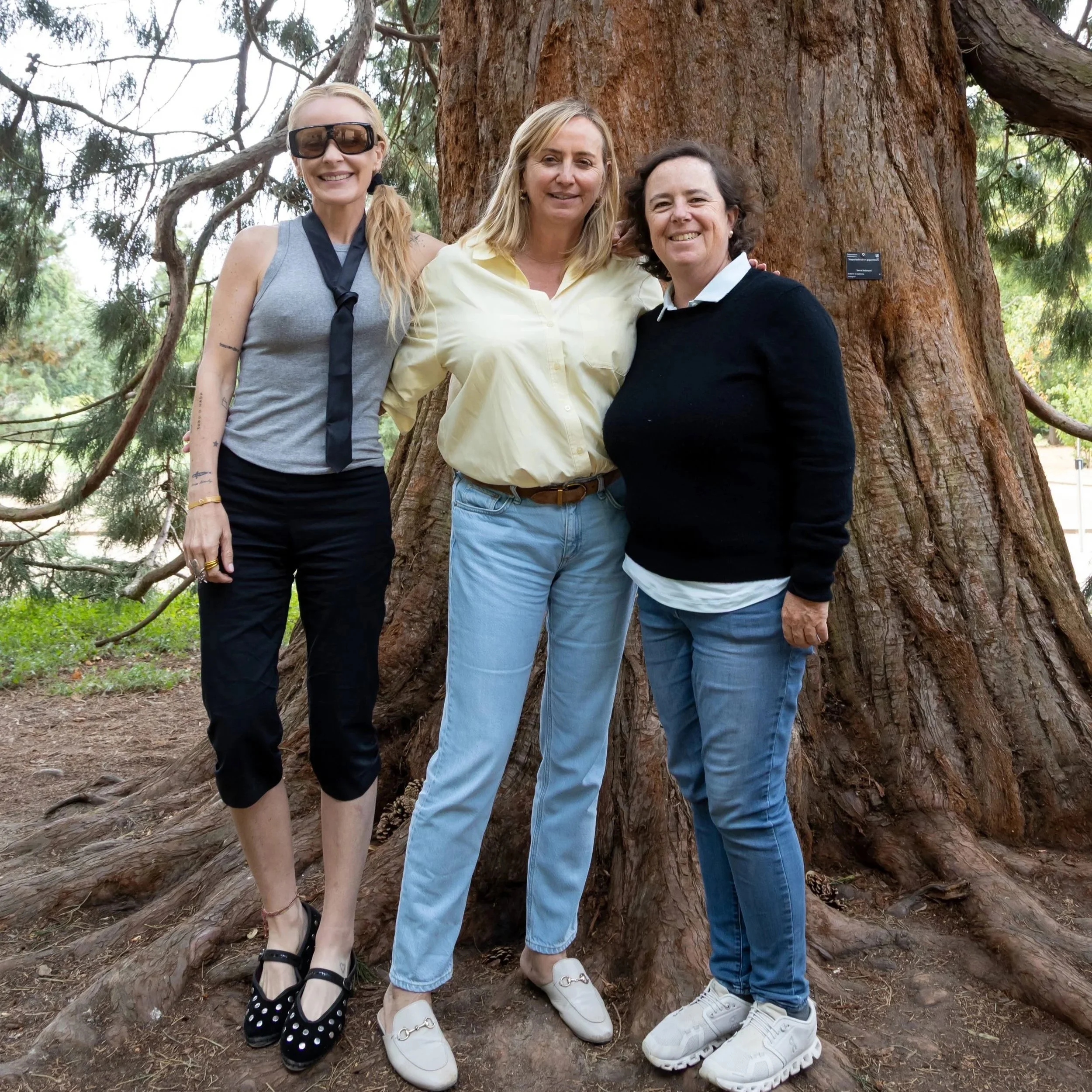
Cambridge Botanic Garden, August 2026
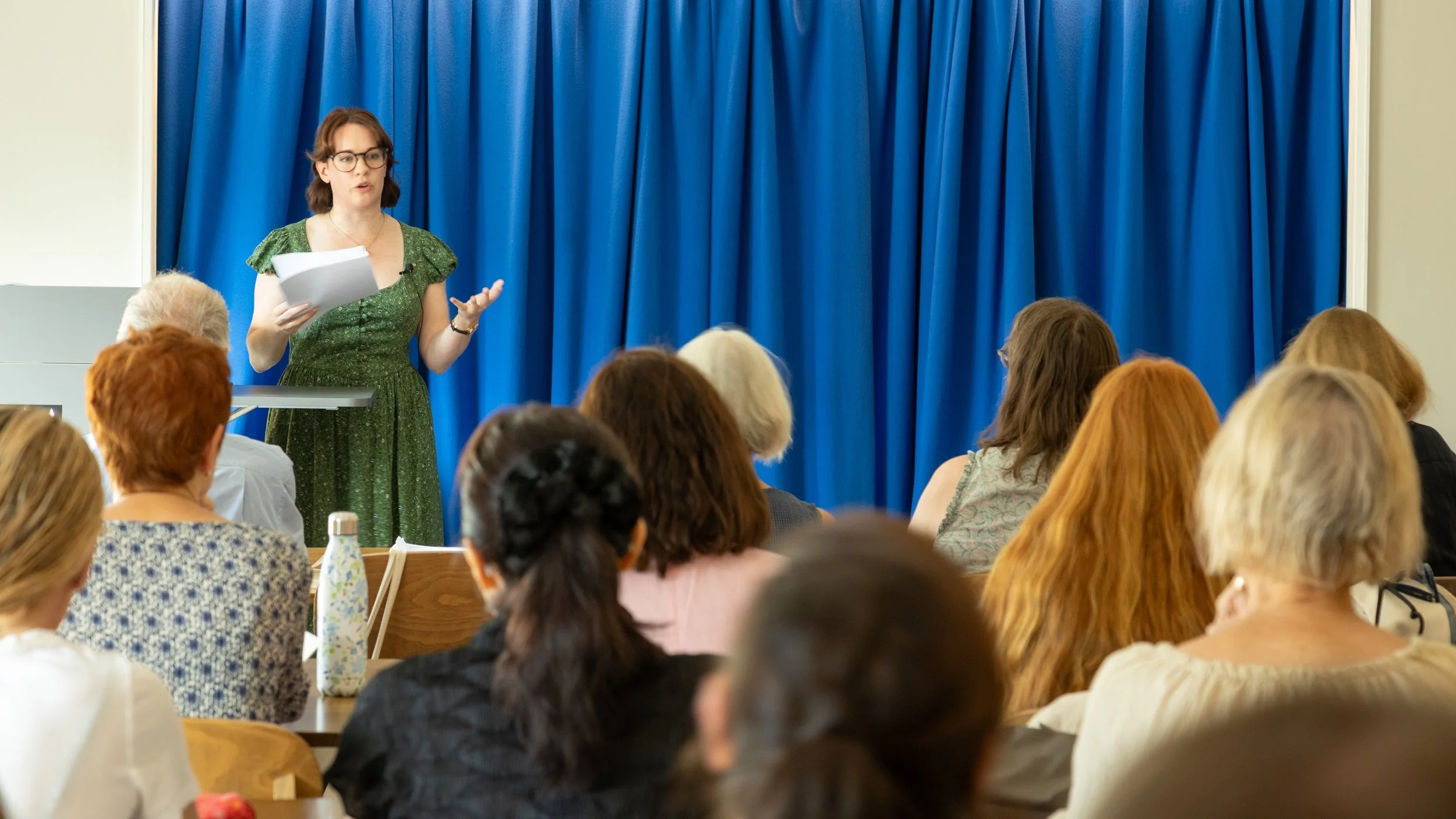
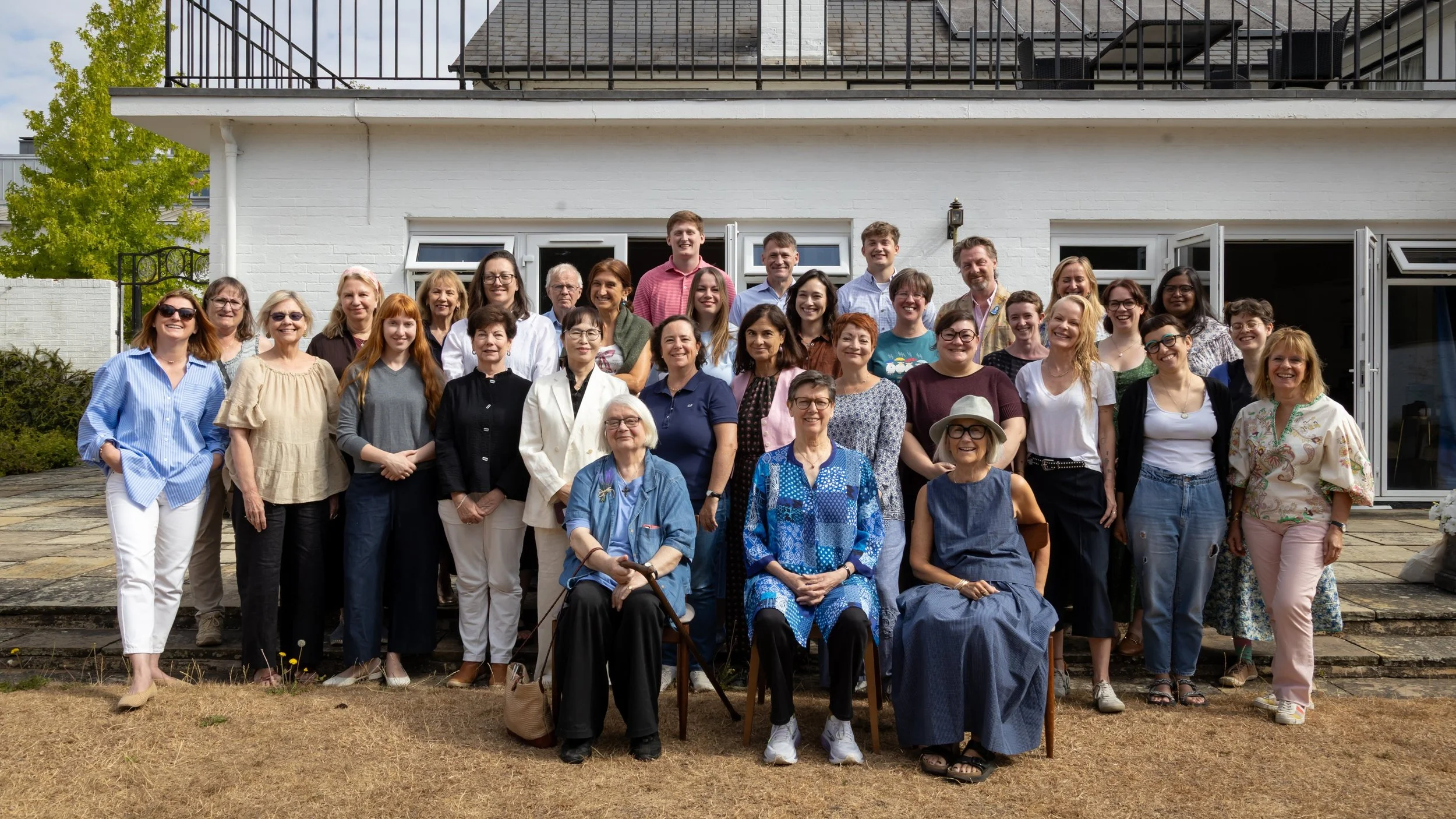
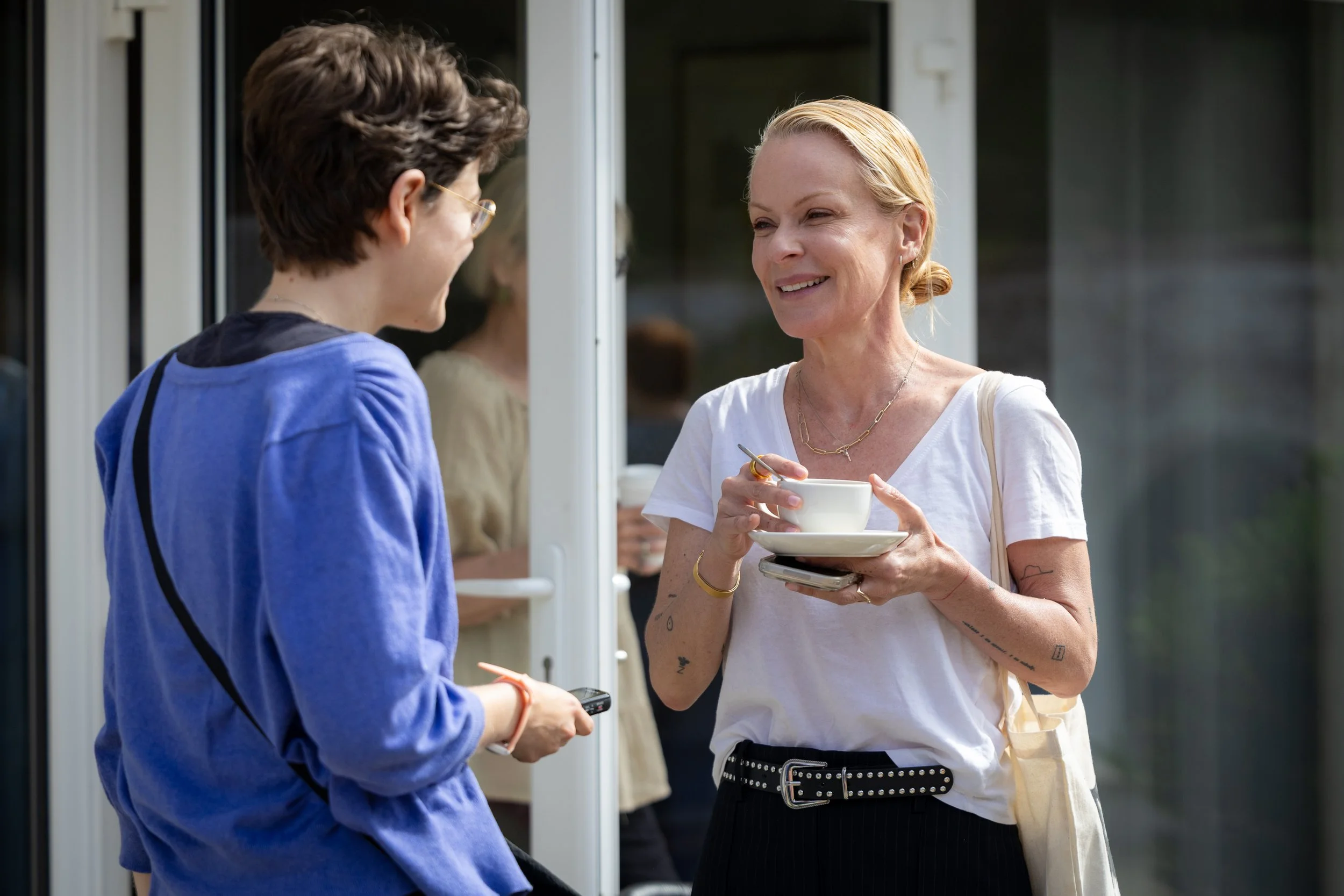
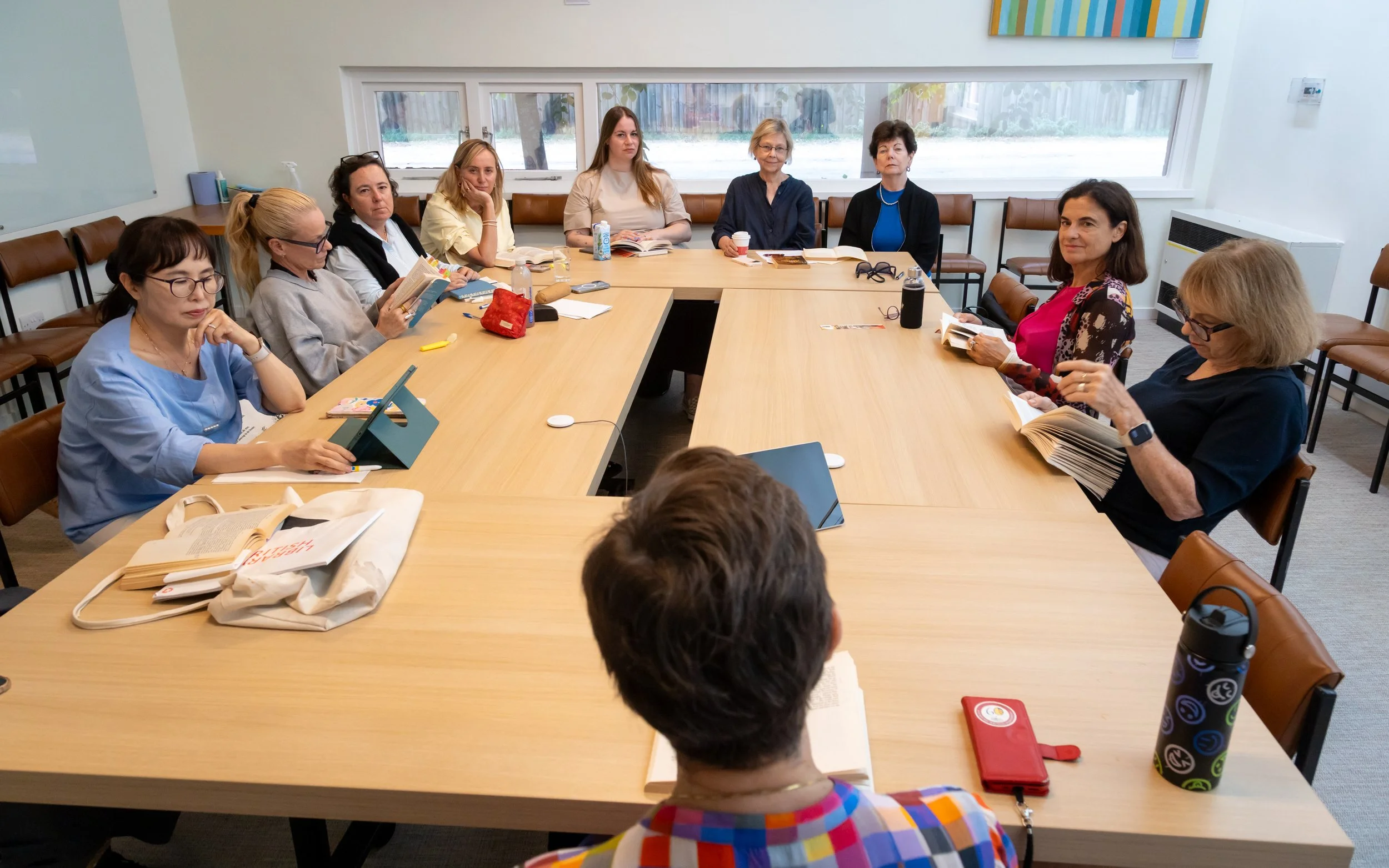
The classes were held at Clare Hall, a short walk away, in the Richard Eden Room, within a nice traditional English house. At 9.00 am sharp, we heard one-hour lectures by various renowned Woolf scholars. I can hardly find the words to express the quality of these lectures; they opened new perspectives on Woolf’s works and expanded my horizons for interpretation. After the lecture the doors of the lecture room opened into the charming gardens where you could enjoy a cup of tea and cake while continuing the discussion about Virginia Woolf’s novels and making new friends from around the world.
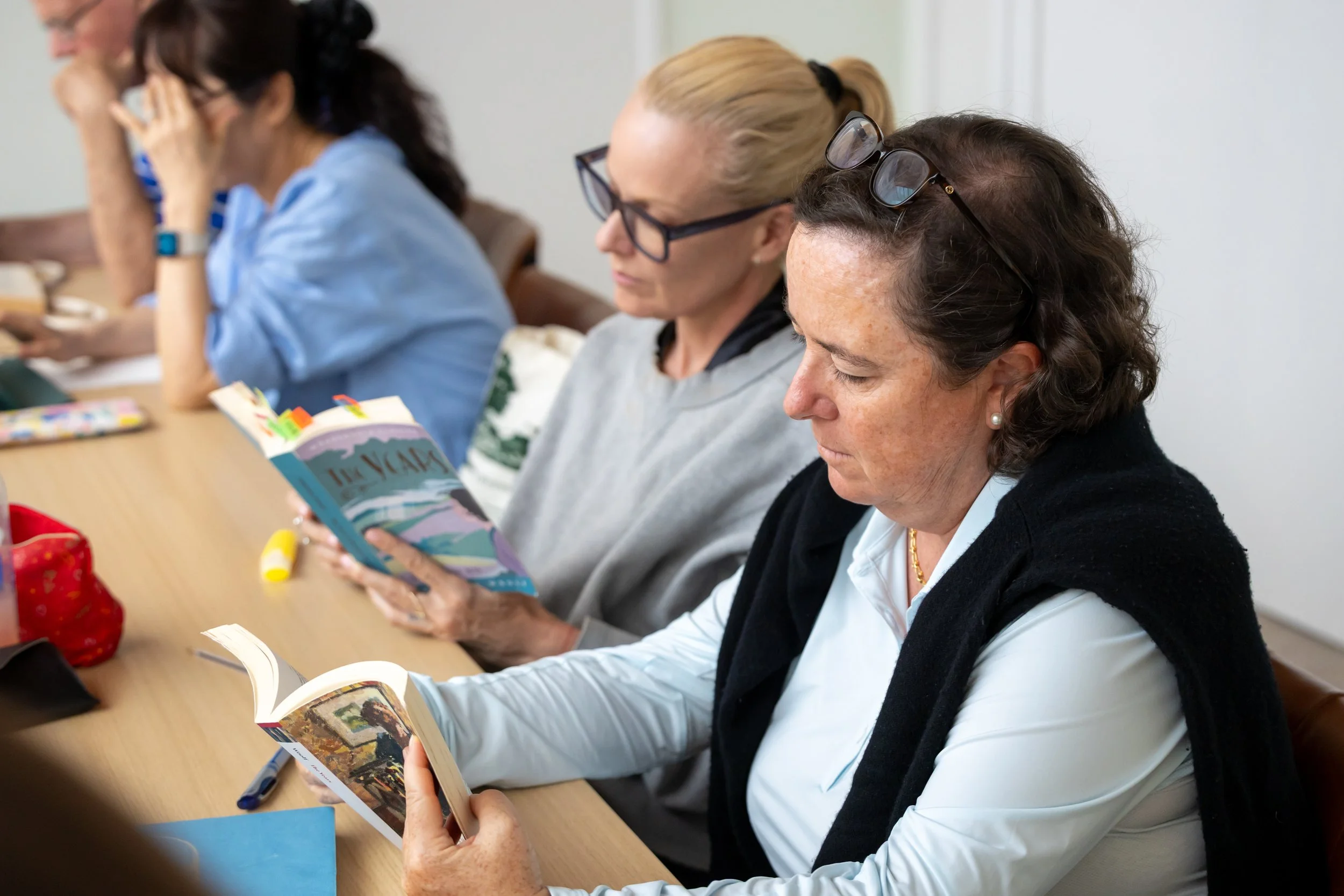
After our tea break, we had an enjoyable reading aloud of the novel in question with Trudi Tate and then a tutorial group of 4 or 5 people, which gave participants the opportunity to do close reading and discuss the novel in depth. The discussions were intellectually enriching and a great opportunity to share different interpretations and views.
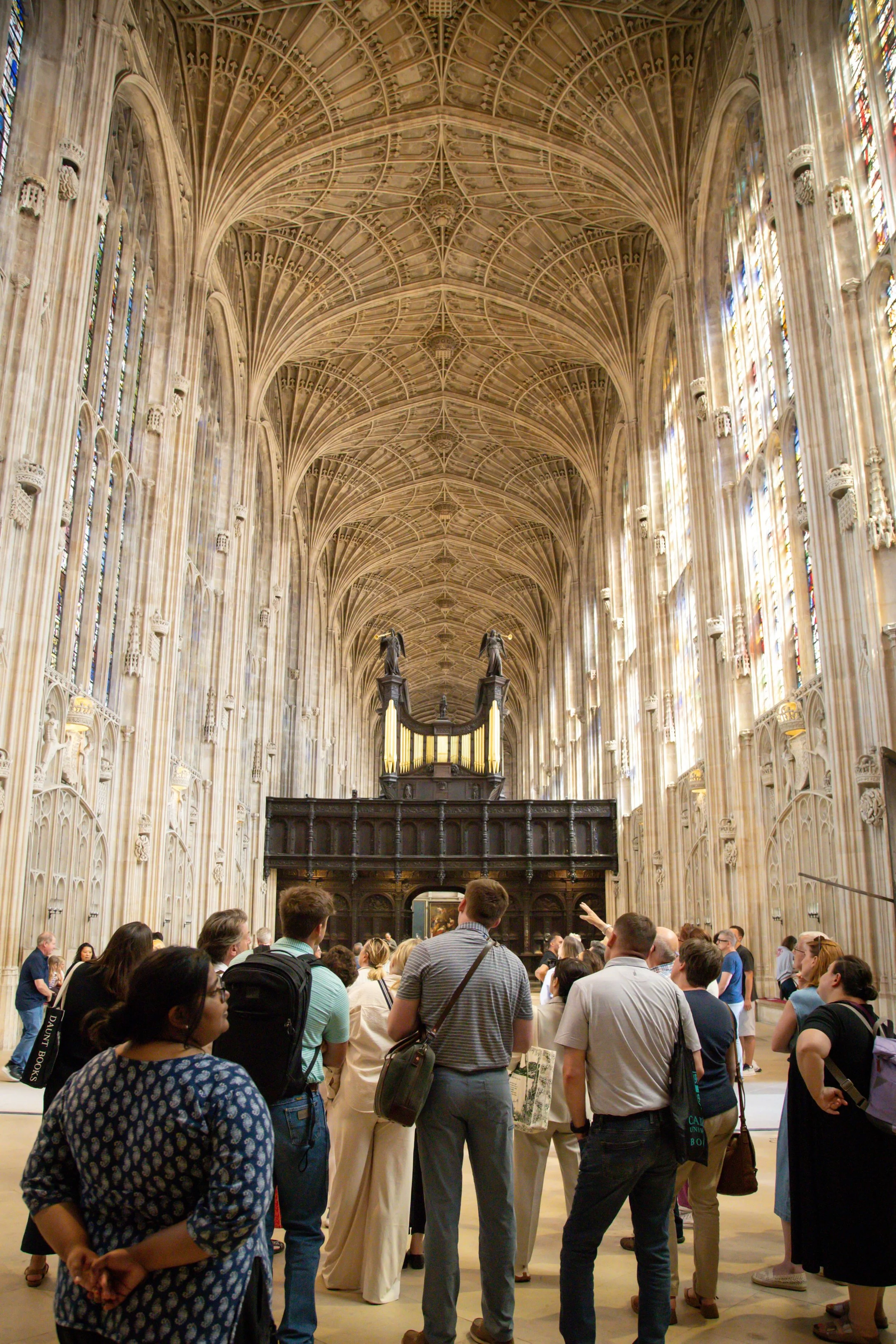
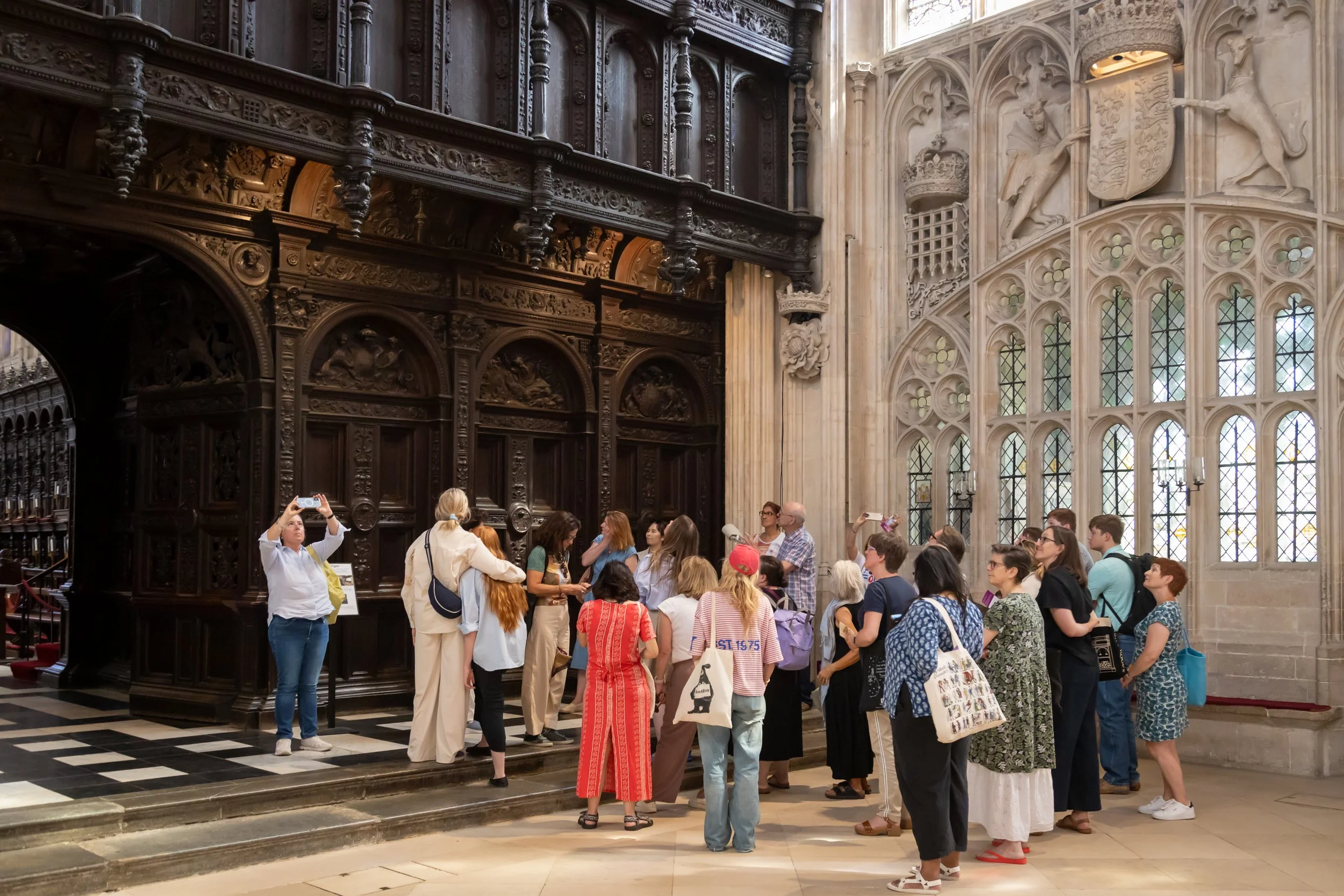
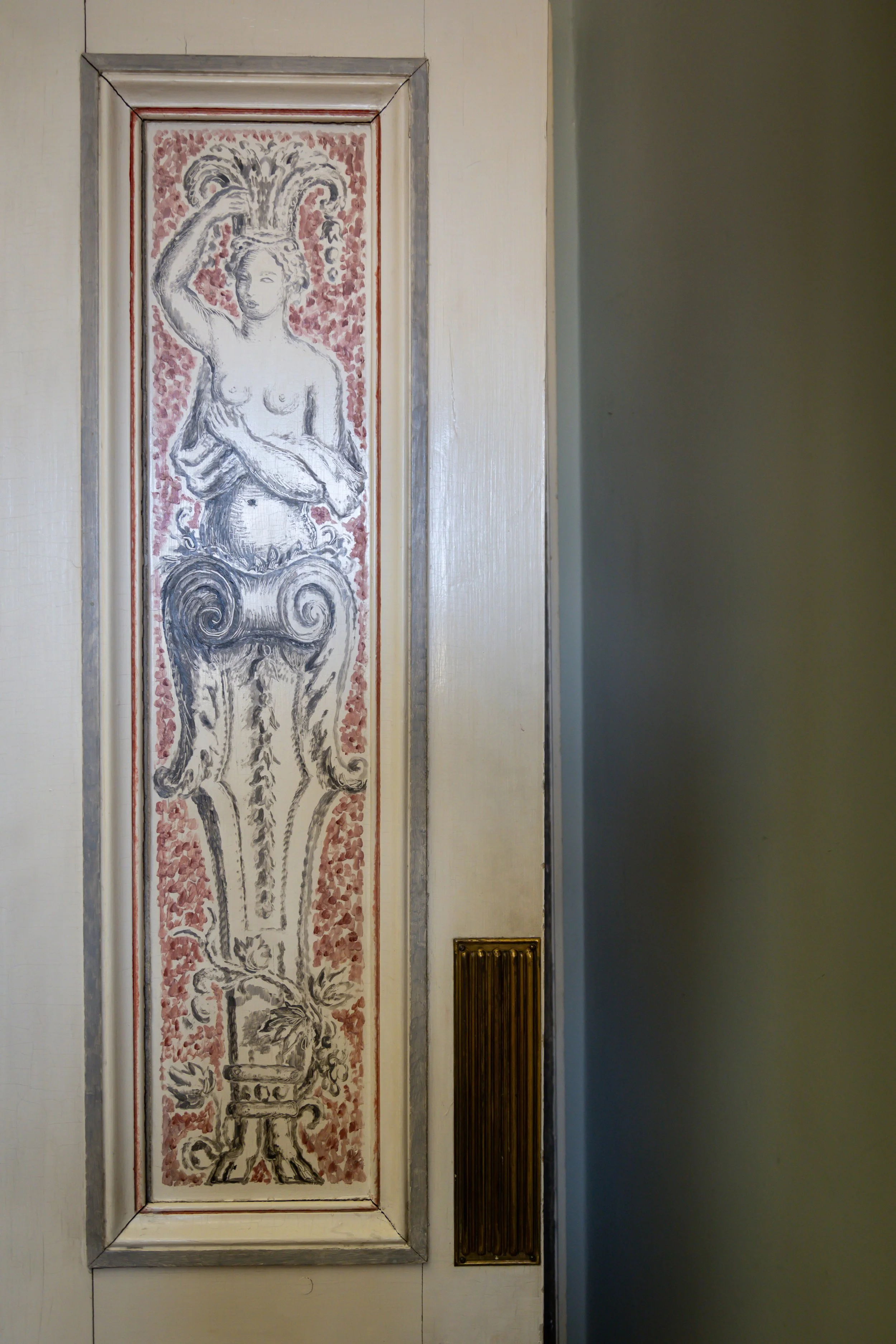
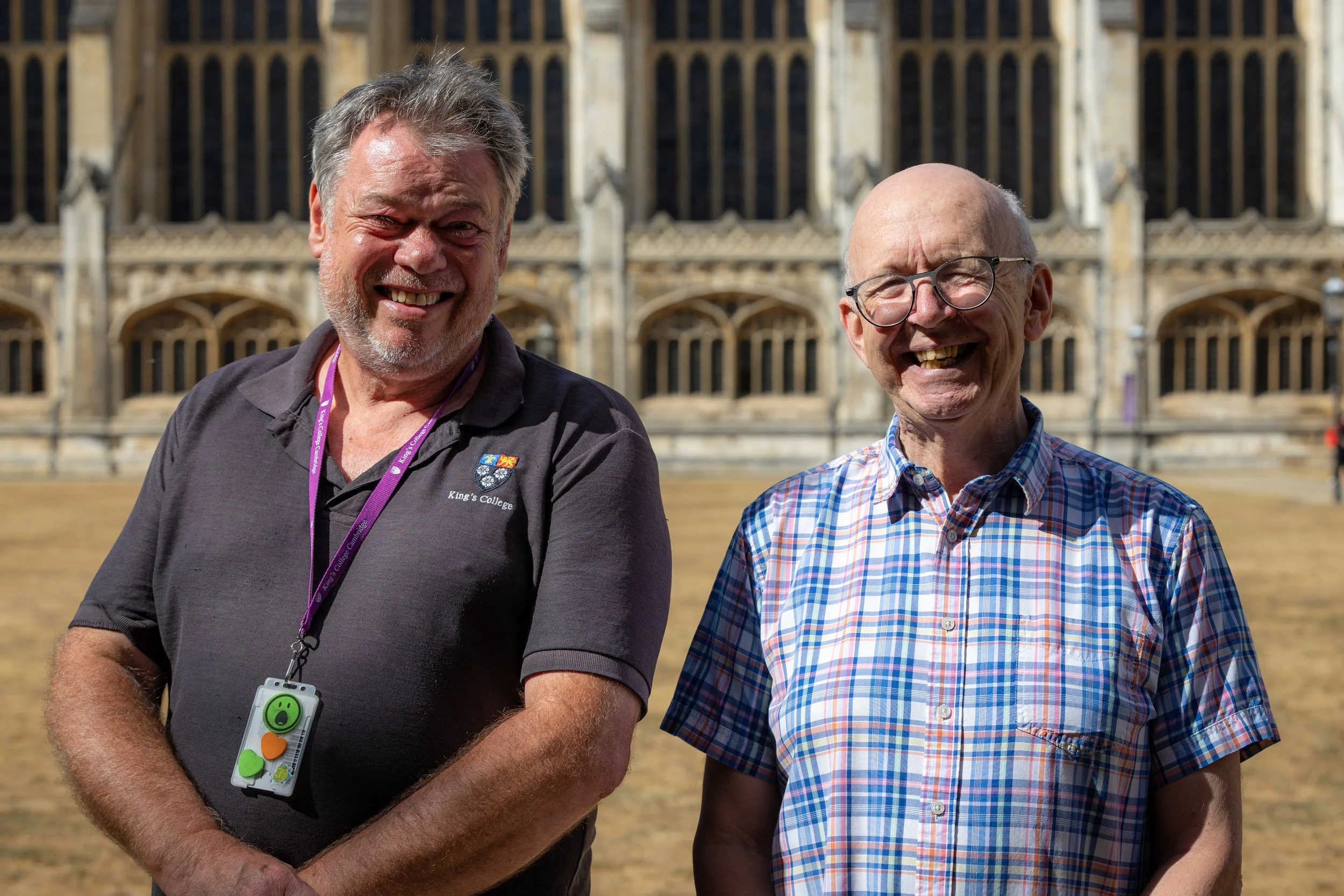
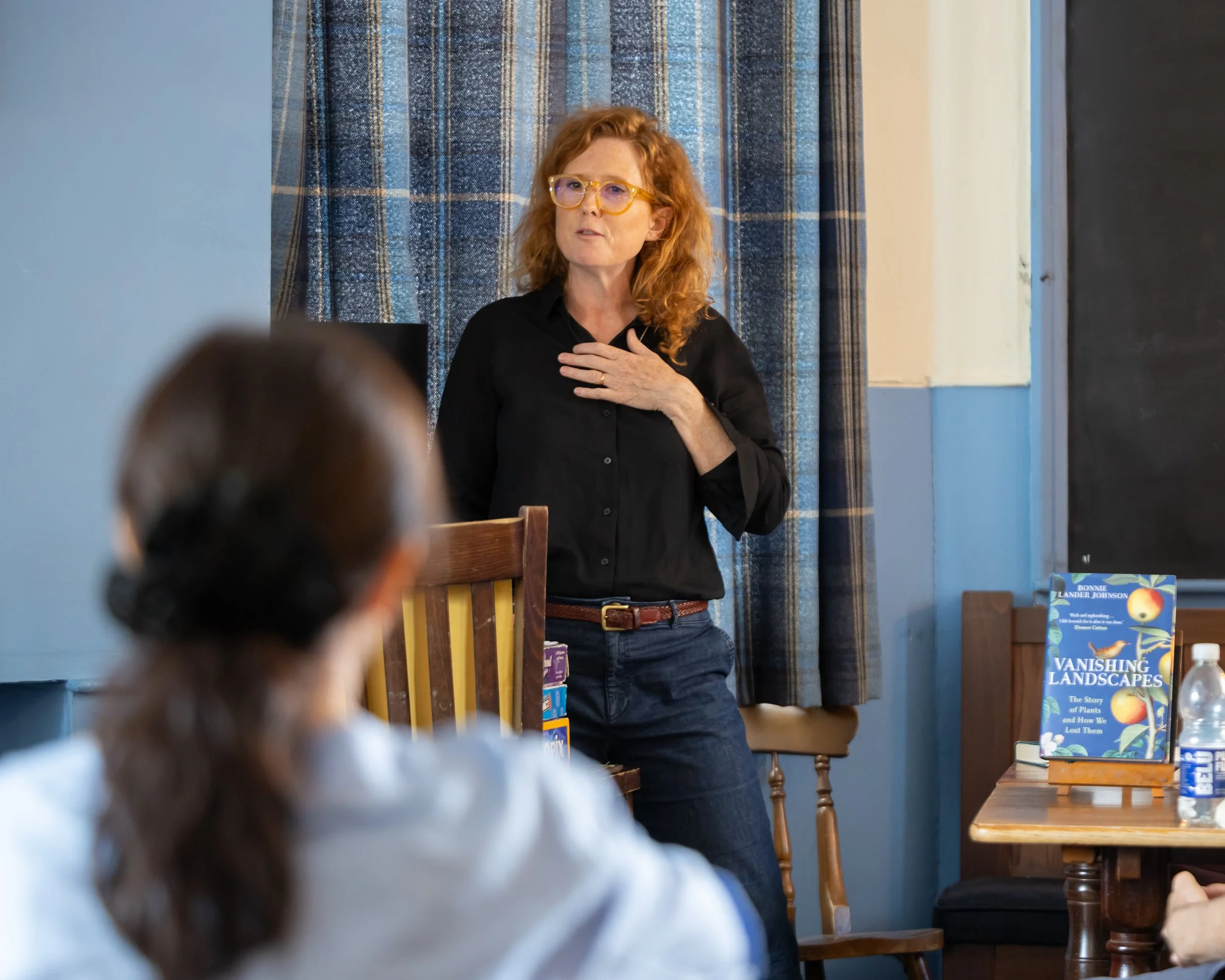
After lunch, other lectures and visits were organized to enhance the experience. I particularly enjoyed a lecture on Woolf and gardens given by Dr Karina Jakubowicz, given at Waterstone’s bookshop in central Cambridge. We also had other talks at a traditional pub and even at a museum. One of the extra activities that was organized and that I truly enjoyed was a visit to King’s College, where we had a special guided tour of the college with King’s Fellow Dr Peter Jones. We visited spaces normally closed to the public, such as the view that Virginia Woolf fictionalised in a Room of One’s Own (when King’s was for men only); or seeing some doors painted by Dora Carrington. This visit was crowned with a talk by King’s Head Gardener, Mr Steve Coghill, who explained in detail all the plants and flowers in the college gardens; this being particularly interesting, since the week’s topic centered on Virginia Woolf and nature.
Sometimes, at night I couldn’t sleep thinking about what the following day would bring me. It was hard to process so many emotions: new interpretations, interesting talks, friendly faces and unforgettable cultural and literary experiences.
To round up this fascinating week’s experience, we had the opportunity to visit Virginia Woolf´s house (Monks House) in Sussex, as well as Vanessa Bell´s house in Charleston. After studying Woolf for a whole week and deepening into her life and work, this experience was deeply moving.
I would wholeheartedly recommend this summer course to anyone wishing to enter Virginia Woolf´s world. It opens doors to new ways of reading and understanding her work. And once you immerse yourself in these waters, let the waves carry you further into the depths of her intriguing and fascinating writing, and towards many discoveries that await beyond this wonderful summer course.
Carlota Peón
Mexico
Photos are by Jeremy Peters @jezpete
Bookings are just open for our 2027 Summer Course in Cambridge. The theme is Women Writers of the 1920s, and it will run 5-10 September 2027.